
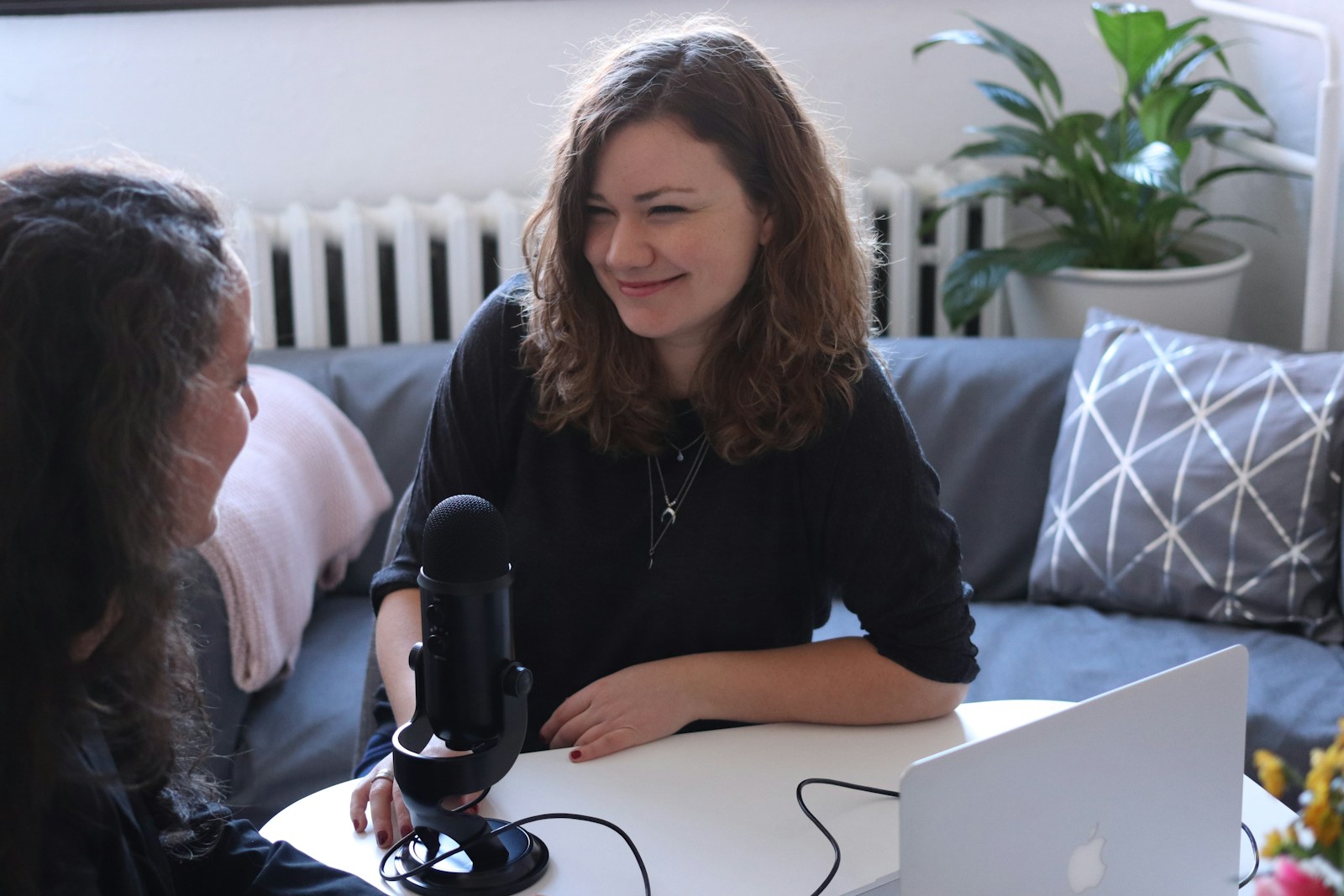
Writing a compelling biography or conducting a thoughtful interview requires skill, regardless of the subject. When your subject is a pornstar, the task demands an even greater level of professionalism, sensitivity, and respect. For writers new to the adult entertainment industry, navigating this landscape can feel intimidating. How do you ask the right questions? How do you write a bio that is both professional and representative of the performer’s brand?
This guide is designed to provide a clear roadmap for writers, journalists, and content creators. We will explore how to prepare for, conduct, and write up interviews with adult performers, ensuring you capture their story with the dignity and nuance it deserves. You will learn how to build trust, ask meaningful questions beyond the obvious, and craft bios that are authentic, engaging, and respectful. By following these steps, you can create content that not only informs but also helps to humanize and destigmatize performers in the adult industry.
The Importance of Professionalism and Respect
Working with adult entertainers requires a foundation built on professionalism and respect. These performers are professionals running a business—their personal brand. Treating them with the same courtesy and respect you would afford any other professional, from a CEO to a Hollywood actor, is non-negotiable. This approach is not just about basic decency; it’s crucial for building the trust necessary to get a great interview or write an authentic biography.
Respect in this context means acknowledging the performer’s agency and expertise. They are the authorities on their own lives, careers, and experiences. Your role is not to judge or sensationalize, but to listen and report accurately. This involves being mindful of the language you use, avoiding stigmatizing terms, and honoring the boundaries they set.
Professionalism extends to every aspect of your interaction. Be punctual for interviews, come prepared with well-researched questions, and communicate clearly about your intentions for the content. When you demonstrate that you are serious, respectful, and organized, performers are more likely to open up and share the kind of insightful stories that make for compelling content. Ultimately, your professionalism will determine the quality of your work and your reputation within the industry.
Preparing for the Interview
Thorough preparation is the key to a successful interview. It shows respect for the performer’s time and allows you to move beyond surface-level questions. A well-prepared interviewer can guide the conversation in interesting directions and uncover unique insights.
Do Your Homework
Before you even think about crafting questions, you need to immerse yourself in the performer’s work and public persona.
- Watch Their Content: Familiarize yourself with their work. This doesn’t mean watching every scene they’ve ever filmed, but you should have a general understanding of their performance style, the genres they work in, and their on-screen brand. This knowledge will help you ask more specific and informed questions.
- Review Past Interviews: Search for other interviews the performer has done. Read articles, listen to podcasts, and watch video interviews. This will help you avoid asking repetitive questions and give you a sense of topics they are comfortable discussing. You might also find threads you want to explore more deeply.
- Engage with Their Social Media: A performer’s social media presence is often a curated extension of their brand. Follow them on platforms like Twitter, Instagram, or OnlyFans. Pay attention to the topics they post about, their interactions with fans, and the persona they project. This can provide clues about their interests, values, and what’s currently happening in their career.
Setting Clear Expectations
Clear communication from the outset is vital for building trust. When you reach out to a performer or their agent to request an interview, be transparent about your project.
- Introduce Yourself and Your Platform: Clearly state who you are, what publication or platform you represent, and what your role is.
- Explain the Purpose: What is the goal of the interview? Is it for a feature article, a podcast episode, a blog post, or a biography for their website? Be specific about the angle and tone of the piece. For example, “I’m writing an article for [Platform] focusing on how performers are using social media to build their brands.”
- Outline the Logistics: Propose a date, time, and format (e.g., video call, phone call, in-person). Be flexible and willing to accommodate their schedule. Let them know roughly how long you expect the interview to take.
- Discuss Boundaries: It’s good practice to ask if there are any topics that are off-limits. This shows respect for their boundaries and prevents awkward moments during the interview. You can phrase this as, “To ensure you’re comfortable, are there any topics you’d prefer not to discuss?”
Crafting Your Interview Questions
Good questions are the heart of a good interview. They should be open-ended, thought-provoking, and designed to elicit detailed responses rather than simple “yes” or “no” answers. While your specific questions will be tailored to the individual, you can categorize them to ensure you cover a range of topics.
Beyond the Basics
Avoid starting with the most obvious and often-asked questions like “How did you get into porn?” While this is a valid area of interest, leading with it can make the interview feel generic. Instead, build rapport first and weave in questions about their origin story later.
Here are some categories of questions to consider, moving from their career to more personal insights:
On Their Career and Craft
These questions treat the performer as a professional and an artist.
- “What aspects of your work are you most proud of?”
- “How do you prepare for a scene, both mentally and physically?”
- “Can you describe the creative process behind a scene you particularly enjoyed filming?”
- “How has your on-screen persona evolved over time?”
- “What are some common misconceptions about your job that you’d like to correct?”
- “What are the biggest challenges you face in your line of work?”
On Their Business and Brand
These questions acknowledge their role as entrepreneurs.
- “How do you approach building and maintaining your brand?”
- “What role has social media or platforms like OnlyFans played in your career?”
- “What advice would you give to someone looking to build a successful career in the adult industry?”
- “How do you navigate the business side of the industry, such as contracts and negotiations?”
- “What are your long-term career goals, either within or outside of the industry?”
On Their Life and Interests
These questions help to humanize the performer and show that you see them as a whole person.
- “Outside of your work, what are you passionate about?”
- “What does a typical day look like for you when you’re not filming?”
- “How do you practice self-care and manage work-life balance?”
- “What’s a book, movie, or album that has had a big impact on you?”
- “If you weren’t in the adult industry, what career path might you have chosen?”
Follow-Up Questions
The best conversations are fluid. Be an active listener and be prepared to deviate from your script.
- “Could you tell me more about that?”
- “That’s interesting. How did that make you feel?”
- “What happened next?”
Active listening and thoughtful follow-ups are what separate a good interviewer from a great one. They show you are engaged and genuinely curious.
Conducting the Interview
On the day of the interview, your goal is to create a comfortable and conversational atmosphere.
- Start with Small Talk: Don’t jump straight into your questions. Start with a bit of casual conversation to build rapport. “How has your day been so far?” or “Thanks again for taking the time to speak with me.”
- Be an Active Listener: Pay close attention to their answers. Don’t just wait for your turn to speak. Nod, provide verbal affirmations (“I see,” “That makes sense”), and let your curiosity guide the conversation.
- Be Flexible: Your list of questions is a guide, not a script. If the performer says something interesting, don’t be afraid to go off-topic and explore it further. Some of the best insights come from unexpected detours.
- Mind Your Body Language: If you’re on a video call, maintain eye contact and have open body language. If it’s a phone call, your tone of voice is your primary tool. Sound engaged and friendly.
- Wrap Up Gracefully: As you approach the end of your allotted time, give them a heads-up. “I just have a couple more questions for you.” End by thanking them for their time and candor. Let them know what the next steps are (e.g., “I’ll be writing this up over the next week, and the article should be live in about a month. I’ll send you the link when it’s published.”).
Writing the Bio or Article
Once the interview is complete, the writing process begins. Whether you’re crafting a short bio for a website or a long-form feature article, the principles are the same: be accurate, engaging, and respectful.
Structuring the Content
A good structure helps guide the reader through the performer’s story.
- The Hook: Start with a compelling anecdote, a powerful quote, or an interesting fact that grabs the reader’s attention.
- The Narrative Arc: Don’t just list facts. Weave the information you’ve gathered into a narrative. This could be chronological (tracing their career from the beginning) or thematic (focusing on a specific aspect of their work or life).
- Incorporate Quotes: Use direct quotes from the interview to let the performer’s voice shine through. This adds authenticity and personality to the piece.
- Provide Context: If you’re discussing industry-specific topics, provide enough context for a general audience to understand.
Tone and Language
The tone should be professional yet engaging.
- Avoid Sensationalism: Don’t focus solely on the most explicit or shocking aspects of their job. Present their work as a profession, not a spectacle.
- Use Respectful Terminology: Use the terms the performer uses to describe themselves and their work. Generally, “adult performer,” “adult entertainer,” or “sex worker” are preferred over stigmatizing terms. When in doubt, ask them what they prefer.
- Focus on the Person: Highlight their personality, their business acumen, their creativity, and their interests outside of work. The goal is to present a multi-dimensional portrait.
Writing a Performer Bio
When writing a bio for a performer’s own website or social media, the approach is slightly different. The bio is a marketing tool, so it should be concise, impactful, and written in a voice that reflects their brand.
- Keep it Concise: Bios are often short, typically between 100 and 300 words.
- Highlight Key Achievements: Mention major awards, notable scenes, or unique aspects of their brand.
- Capture Their Persona: Is their brand fun and bubbly, dark and edgy, or intellectual and artistic? The language and tone of the bio should match.
- Include a Call to Action: End with a link to their social media, their OnlyFans page, or their latest scene.
Example Bio Structure:
- Opening Line: A catchy sentence that introduces them and their brand.
- Career Highlights: 1-2 sentences about their journey and key achievements.
- Unique Selling Proposition: What makes them special?
- Personal Touch: A brief mention of their interests or personality.
- Call to Action: Where to find more.
Final Thoughts
Writing about pornstars is a responsibility. It’s an opportunity to challenge stereotypes and contribute to a more nuanced public understanding of the adult entertainment industry and the people who work within it. By approaching the task with professionalism, empathy, and a genuine desire to tell a compelling story, you can create content that is not only well-received but also makes a positive impact.
The key takeaways are simple: do your research, build trust, listen actively, and write with respect. When you treat performers as the professionals and multi-faceted individuals they are, you will be rewarded with the rich, authentic stories that lie beyond the camera.